Woah! Not Monday Macca! Well— kinda.
Today — Sunday May 21, 2023– marks the one week countdown to the enlongated weekend many Americans consider a needed vacation. Here in the good ole USA, the last Monday of May— Monday May 29, 2023 is Memorial Day. It IS a mandated federal holiday meaning potential 4 day weekends for most American civilians — and promised for all Federal Employees.
This year— just like the previous 10– I will be posting my annual ‘YOU DONT THANK’ post. I do not keep many friends— yet I feel it is very important that they understand and respect this holiday— outside of the major retail sales happening.
Let’s take a moment to learn the true meaning behind this extremely beautiful holiday— and the important difference between Memorial Day and Veterans Day— especially for Vets.
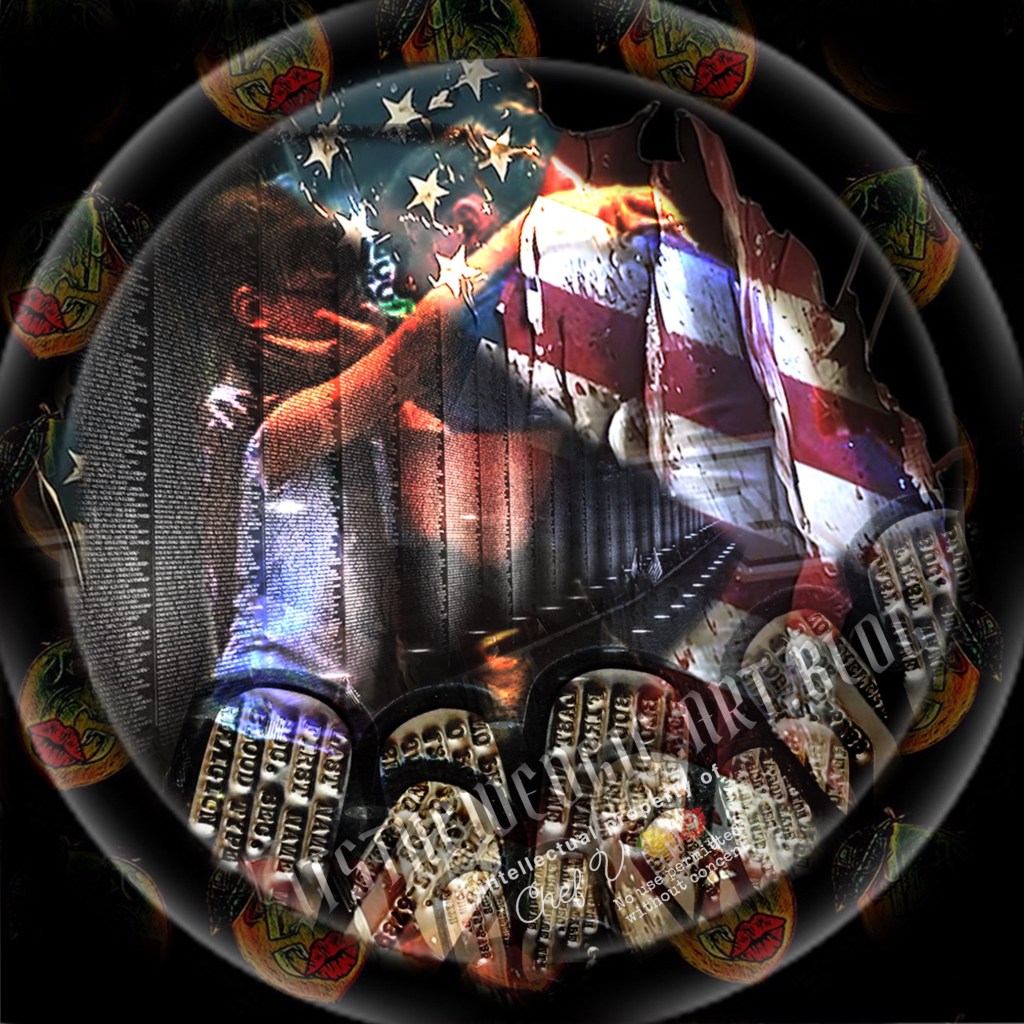
Memorial Day falls on May 29, 2023.
This U.S. federal holiday is observed to honor the men and women who have died while serving in the military. It was formerly known as Decoration Day.
Veterans Day falls on November 11, 2023.
Veterans Day is the day set aside to thank and honor ALL who served in the United States Armed Forces—in wartime or peacetime—REGARDLESS of whether they died or survived.
On both Memorial Day and Veterans Day, it’s customary to spend time remembering and honoring the countless veterans who have served the United States throughout the country’s history. However, there is a distinction between the two holidays:
Memorial Day commemorates the men and women who died while serving in the United States Armed Forces. Particularly those who died in battle or as a result of wounds sustained in battle.
In other words, the purpose of Memorial Day is to memorialize the veterans who made the ultimate sacrifice for their country.
It’s a time remembering those who lost their lives and could not come home.
YOU DON’T THANK THE LIVING FOR SUCH THINGS.
Look— I am speaking as a Veteran to the public— it is unexplainably disrespectful to thank ME for MY service on a day meant to memorialize and honor all of my friends, family and community members that are no longer of this earth.
Honestly— it makes YOU look uneducated and ignorant. YOU have my guarantee— I WILL publicly correct YOU. I WILL NOT be utilizing the control of the volume of my voice. I ABSOLUTELY WILL PUT YOU AND ANYONE WITHIN 100 FEET ON NOTICE. Let’s all say it together, WE DON’T THANK THE LIVING FOR THESE THINGS.
Maybe consider instead how we can support and safeguard their grieving families and loved ones who are left behind, as well as reflecting on why we—the living—have the luxury and freedom that we enjoy today.
That is what I will be doing. Celebrating the memory of the ones I held— and those I did not— as they were brutally taken from us.
Please allow me to educate using the wisdom of my trauma.
The custom of honoring ancestors by cleaning cemeteries and decorating graves is an ancient and worldwide tradition. In early rural America, it was usually performed in summer and was an occasion for family reunions and picnics.
The ritual of visiting family graves and memorials was never a morbid tradition. Rather, it was an annual act of remembrance, as well as a chance to clean and decorate family memorials. Often, families would picnic as well; cemeteries were often the only open green spaces in crowded cities.
Memorial Day was originally known as Decoration Day, starting with the American Civil War. It’s believed that the tradition of honoring the dead was inspired by the way Southern states decorated the graves of both Confederate and Union soldiers with flowers, wreaths, and flags.
Several cities and towns across the country lay claim as the first to observe Decoration Day. On May 5, 1866, Waterloo, New York, hosted its own community-wide event that, in 1966, led to President Lyndon Johnson declaring the town as the birthplace of Decoration Day.
Meanwhile, on May 5, 1868, inspired by the suggestion of veteran, Maj. Gen. John A. Logan, commander-in-chief of the Grand Army of the Republic (a fraternal organization of Union Civil War veterans), issued General Order No. 11, designating the 30th of May as an annual day of remembrance. The idea caught on.
With the Civil War, America’s need to honor its military dead became prominent as monuments were raised and ceremonies centering on the decoration of soldiers’ graves were held in towns and cities throughout the nation.
After World War I, Decoration Day included all fallen soldiers, not just those from the Civil War, and the term “Memorial Day” started being used. By World War II, Memorial Day became the term in more common usage across different states adopting resolutions to make it an official holiday.
Finally, in 1971, Memorial Day became a national holiday by an act of Congress. When the 1968 Uniform Monday Holiday Act took effect in 1971, a few federal holidays were moved to Monday to create three-day weekends; Memorial Day was set to occur on the last Monday in May.
Since it all started with the Civil War, you might want to brush up on your knowledge of this event by visiting the Library of Congress Civil War collection, which includes more than a thousand photographs from the time.
What’s the deal with the Red Poppies?
In the war-torn battlefields of Europe, the common red field poppy (Papaver rhoeas) was one of the first plants to reappear.
Its seeds scattered in the wind and sat dormant in the ground, only germinating when the ground was disturbed—and it was, by the brutal fighting of World War I.
Today, poppies are not only a symbol of the loss of life, but also of recovery and new life, especially in support of the servicemen who survived the war but suffered from physical and psychological injuries long after it ended.
Memorial Day is a celebration of reflection. It symbolizes the importance of sacrifice and those willing to take part in granting the very freedom we cherish today. Their blood was spilled so you could drink your coffee and read blogs from people like me on WordPress.
Please don’t thank me— Thank those who are no longer to correct you. You are their voice.
-🍋💋
 🚢💋SEDONA SUNSETS💋🏴☠️
One response to “🇺🇸The Wisdom Of Trauma🥀”
[…] TRAILER 1 TRAILER 2 TRAILER 3 TRAILER 4 LEASING OFFICE […]
LikeLiked by 1 person