Why do you blog?
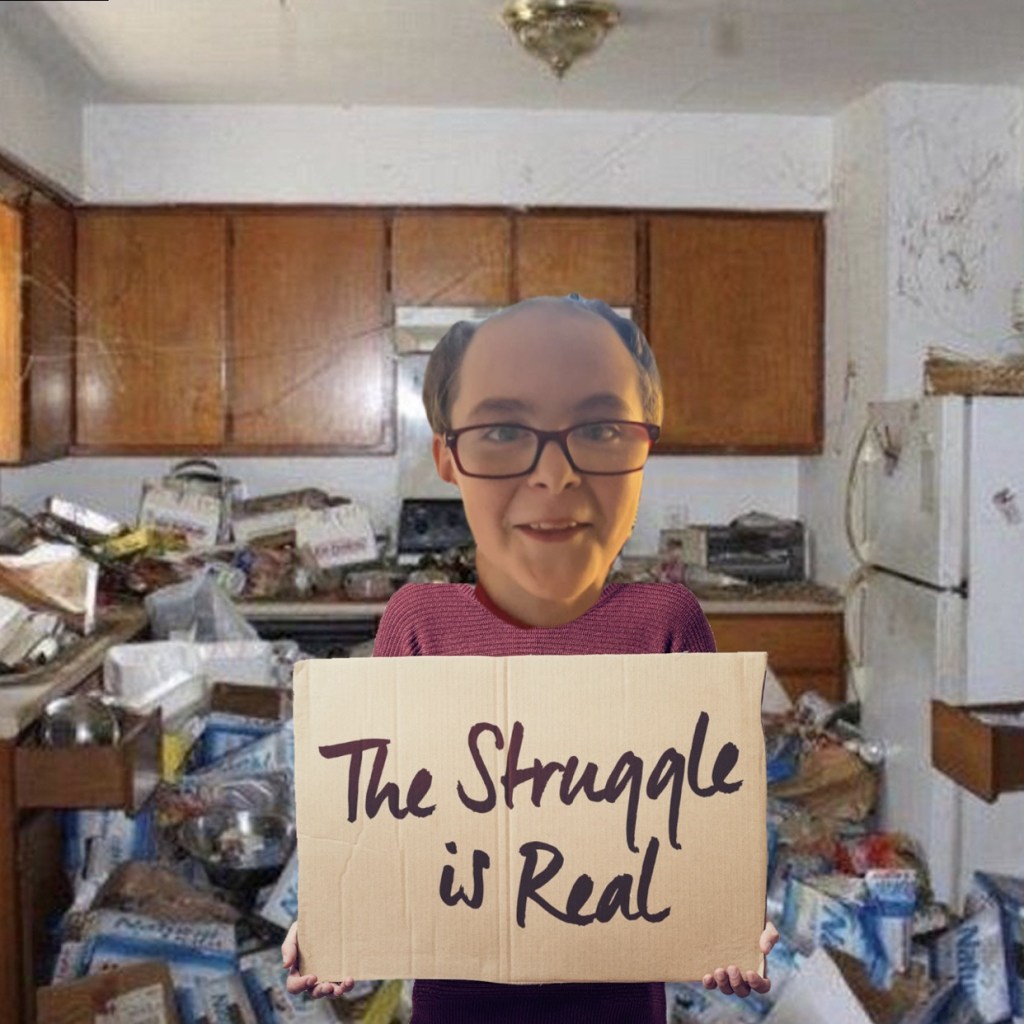
Oh, dear congregation, gather ’round and lend me your ears as we embark on a humorous yet introspective journey. Today, in the sacred realm of our digital sanctuary, let us shed our masks of seriousness and delve into the realm of personal foibles and quirks. For in this virtual confessional, we can find solace in knowing that we are not alone in our peculiarities.
Ah, my friends, let me share a secret with you. Behind these digital walls, the writer before you is not an ordinary scribe. Nay, I am a self-proclaimed fool with a penchant for oversharing, a digital misfit who turns to the internet to fill the void of real-life connections. Just a lone wanderer in the vast expanse of the virtual realm, seeking camaraderie through the pixels that grace our screens.
But fear not, dear readers, for within this comic confession lies a glimmer of truth. Through the shared laughter and the relatable tales of personal struggles, we find comfort and the reminder that we are not alone in our idiosyncrasies.
So let us band together, my fellow digital misfits, and embrace our quirks with open arms and hearty laughter. May we find solace in the virtual realm and forge connections that transcend the boundaries of time and space. And remember, dear congregation, life is too short to take ourselves too seriously. Let us revel in the absurdity and find joy amidst the pixels of our digital existence.
There are several reasons why individuals write, each driven by their unique motivations. Here are some common reasons for writing:
- Self-expression: Writing allows us to articulate our thoughts, feelings, and experiences, providing a creative outlet for self-expression.
- Communication: Writing is a powerful medium for communicating ideas, information, and stories to others, fostering understanding and connection.
- Reflection: Writing can help us reflect on our experiences, contemplate our emotions, and gain insights into ourselves and the world around us.
- Education: Writing is an essential skill for learning and acquiring knowledge. It enables us to research, organize, and present information effectively.
- Persuasion: Writing can be used to persuade and influence others by presenting compelling arguments and supporting facts.
- Entertainment: Writing spans various forms of entertainment, such as novels, poetry, scripts, and short stories, offering enjoyment and escape.
- Documentation: Writing serves as a means to document historical events, personal anecdotes, scientific discoveries, and cultural traditions for future generations.
- Catharsis: Writing can be cathartic, providing a therapeutic outlet for processing emotions, traumas, and personal growth.
- Inspiration: Writing has the power to inspire and motivate others. Through storytelling and sharing personal experiences, it can resonate with readers and encourage positive change.
- Creativity: Writing fuels creativity and imagination, enabling the exploration of new ideas, worlds, and possibilities.
Remember, these reasons may vary for each individual, and some may have multiple motivations for writing. Let’s forking go!
SERMON SPIEL 1: Understanding Jewish Identity
Being Jewish encompasses a rich cultural, religious, and historical heritage that has shaped the lives of millions of individuals worldwide. The Jewish people follow the ancient traditions and teachings documented in the Torah and Talmud.
Judaism is not only a religion but also a shared identity and a sense of belonging to a community. Jewish culture is marked by its values, traditions, celebrations, and a strong emphasis on education and social justice.
It’s important to understand that being Jewish is not limited to a single ideology or set of beliefs. Jewish identity is diverse, with individuals practicing and interpreting Judaism in various ways. This diversity contributes to the vibrancy and resilience of the Jewish community.
Society’s perceptions of Judaism have varied over time and across different cultures. Unfortunately, Jewish communities have often faced prejudice, discrimination, and persecution throughout history. These attitudes are rooted in stereotypes, misconceptions, and ignorance.
It is essential to challenge these negative perceptions and promote accurate understanding. Judaism is a peaceful religion that promotes ethical behavior, social justice, and the pursuit of knowledge. Jews have made significant contributions to various fields, including science, art, literature, and philosophy.
By fostering dialogue, education, and interfaith cooperation, we can break down stereotypes and build bridges of understanding. Creating an inclusive society requires embracing diversity, recognizing the richness of different cultures and religions, and appreciating the contributions of all individuals, including those from Jewish backgrounds. Let us strive for a world where people are valued for who they are and not judged based on stereotypes or prejudice.
SERMON SPIEL 2:
ADOPTION, IDENTITY, AND EMOTIONAL STRESS IN CHILDREN
Adoption is a beautiful and selfless act that brings joy and a sense of belonging to many families. However, it is important to recognize that the process of adoption can also give rise to unique emotional stress and identity issues for the children involved. Understanding and addressing these challenges is crucial in supporting the well-being and healthy development of adopted children.
One of the primary emotional stress factors for adopted children is the inherent curiosity about their biological origins. As they grow older, it is common for these children to question their birth family, their genetic background, and the circumstances surrounding their adoption. This search for identity can bring about a range of emotions, including confusion, grief, and a longing for connection.
Furthermore, adopted children may experience a sense of loss and abandonment, especially if they were adopted at an older age or have memories of their birth family. They may grapple with questions about why they were given up for adoption, which can impact their self-esteem and overall emotional well-being.
The process of forming a sense of identity can also be complex for adopted children. They may struggle with reconciling their adoptive family’s values, traditions, and cultural background with their own unique heritage. This tension between their adoptive identity and their biological roots can lead to feelings of being caught between two worlds and result in an identity crisis.
To address these emotional stressors and support the healthy development of adopted children, it is essential for adoptive parents and caregivers to create a nurturing and open environment. Here are some strategies that can help:
- Open and honest communication: Encourage open discussions about adoption, birth family, and identity. Create a safe space where children feel comfortable sharing their feelings and asking questions.
- Validation and empathy: Acknowledge and validate the feelings of adopted children. Empathize with their emotional journey and provide reassurance that their feelings are valid and normal.
- Support networks: Connect with support groups or seek counseling services specialized in adoption-related issues. These resources can provide guidance and a sense of community for both the child and the adoptive parents.
- Cultural connections: Celebrate and explore the child’s cultural heritage. Engage in activities and events that allow them to connect with their birth culture, helping them develop a stronger sense of identity.
- Professional guidance: If necessary, consider professional therapy or counseling to address specific emotional challenges the child may be facing. A trained therapist can provide additional support and guidance tailored to their individual needs.
By understanding and addressing the emotional stress and identity issues associated with adoption, we can create a more supportive and inclusive environment for adopted children. With love, empathy, and open communication, we can help these children navigate their unique journeys and develop a strong sense of self and belonging.
Oh, the absolute joy of navigating the treacherous seas of adoption issues in adulthood! It’s a delightful journey filled with never-ending sunshine and rainbows. Who wouldn’t want to unravel the tangled web of emotions, identity crises, and unanswered questions that come hand in hand with being an adult adoptee?
Because, let’s be honest, it’s just so easy! Trying to understand why you were placed for adoption, grappling with the complexity of dual identities, and searching for your biological roots with minimal information is a walk in the park. It’s just like solving a jigsaw puzzle where half the pieces are conveniently missing. Who needs closure and a deep sense of belonging, right?
And let’s not forget the absolute thrill of being bombarded with well-meaning but oh-so-ignorant questions like, “Why don’t you just find your real parents?” Ah, the sheer brilliance of such insight! Because clearly, it’s as simple as snapping your fingers and magically uncovering the hidden identities of complete strangers who happen to share your DNA.
Of course, we mustn’t overlook the eternal bliss of feeling caught between two worlds. Struggling to reconcile your adoptive family and your biological heritage is a piece of cake. Nothing says fun like feeling like an outsider in both realms, never quite belonging or fitting neatly into either.
So, my dear friends, rejoice in the sarcasm-drenched journey of adoption issues in adulthood. Embrace the rollercoaster of emotions, the constant quest for identity, and the tireless pursuit of answers. After all, who needs peace and stability when you can have an endless supply of adoptee struggles?
SERMON SPIEL 3:
Non Self-Imposed Sexual Identification Frustrations
Coming to terms with one’s own sexual identification can be a deeply personal and sometimes frustrating journey. For individuals who feel that their sexual identification is not self-imposed, there are unique challenges to navigate. These frustrations can stem from societal pressures, stereotypes, and discrimination.
One of the major frustrations is the lack of understanding and acceptance from others. Society often imposes rigid expectations on individuals based on their sexual identification, which can lead to feeling ostracized or misunderstood. This can be especially challenging when individuals face discrimination or prejudice due to their non self-imposed sexual identification.
Another frustration is the pressure to conform or hide one’s true identity. Many individuals may feel compelled to fit into societal norms or expectations, even if it means denying or suppressing their true sexual identification. This can lead to a constant internal struggle and a feeling of being trapped in a false persona.
Additionally, the limited representation and visibility in media and mainstream culture can further exacerbate frustrations. The lack of diverse narratives can contribute to feelings of isolation and invisibility, making it harder to find a sense of belonging and validation.
It is important to provide support, empathy, and understanding to individuals who are facing frustrations due to their non self-imposed sexual identification. By creating a more inclusive and accepting society, we can help alleviate these frustrations and empower individuals to embrace their true selves.
SERMON SPIEL 4:
Overcoming Frustrations of Non Self-Imposed Sexual Identification
While the frustrations of non self-imposed sexual identification can be overwhelming, it is possible to find strength, resilience, and acceptance. Here are some strategies to help overcome these frustrations:
- Seek support: Reach out to supportive friends, family members, or communities who can provide understanding and validation. Connecting with others who have similar experiences can be invaluable.
- Educate and advocate: Learn about different sexual identifications, rights, and the challenges faced by those who do not fit traditional norms. By educating others, you can be an advocate and help dispel misconceptions and stereotypes.
- Surround yourself with positive influences: Surround yourself with people, media, and resources that celebrate diversity and inclusivity. This can help counteract the negative messages and frustrations you may encounter.
- Practice self-care: It’s important to prioritize self-care to maintain your emotional well-being. This can include engaging in activities you enjoy, seeking professional support if needed, and setting healthy boundaries.
- Find empowerment through self-expression: Explore different means of self-expression that resonate with your true identity. This can involve creativity, hobbies, or personal style choices that make you feel authentic and confident.
Remember, your non self-imposed sexual identification is a valid and important part of who you are. Embrace your individuality and work towards a more inclusive society where everyone is respected and accepted for their true selves.
In a world that often tries to confine individuals within predetermined labels, the frustrations of non-assigned sexual identity can be particularly challenging, especially when it is based on the way a female chooses to look.
Society has a tendency to make assumptions about a person’s identity based on their appearance, often disregarding the complexity of human experiences and the diversity of individual expression. When a female chooses to defy societal norms and express herself authentically, she may face numerous frustrations.
One of the main frustrations is the constant pressure to conform to traditional gender roles and expectations. Non-assigned sexual identity challenges these norms, and individuals who choose to express themselves outside of the binary gender spectrum can face discrimination and judgment. This can manifest in the form of derogatory comments, exclusion, and even violence.
Another source of frustration lies in the misconceptions and stereotypes that society often associates with non-assigned sexual identity. People may assume that a female who chooses a certain look is seeking attention, being promiscuous, or simply going through a phase. These stereotypes dismiss the validity and depth of personal experiences and can make it even harder for individuals to navigate their own identity.
Additionally, there is a lack of representation and understanding surrounding non-assigned sexual identities. Media, popular culture, and even educational institutions often fail to acknowledge and respect the diverse identities and expressions. This lack of representation can make it difficult for individuals to find support and acceptance, exacerbating their frustrations.
In conclusion, navigating the frustrations of a non-assigned sexual identity based on the way a female chooses to look can be a deeply challenging experience. Overcoming these frustrations requires a shift in societal attitudes, greater education and awareness, and the ongoing support and validation of individuals’ authentic selves.
SERMON SPEIL 5:
The Great Misadventures of Society
Ah, the enchanting world of society! A place where downfalls and disappointments seem to thrive like weeds in a garden. Let’s take a comical yet serious dive into the quagmire of absurdity that surrounds us all.
Block 1: The Rise of the Selfie-Obsessed
Oh, the grandeur of the selfie! In today’s society, it seems that narcissism has become an art form. People no longer marvel at exquisite landscapes or immerse themselves in the wonders of the world. Instead, they contort their faces, pout their lips, and snap endless selfies to capture the perfect #OOTD (Outfit Of The Day). Oh, the lengths we go for validation!
Block 2: The Folly of Instant Gratification
Ah, patience, where have you gone? In this age of instant everything, the art of waiting has become as rare as a unicorn sighting. Want food? Use a food delivery app. Need information? Just Google it. Instant gratification has us trapped in its clutches, turning us into restless beings, forever chasing the next quick fix. Gone are the days of delayed gratification and the pleasure it brings. Patience, we miss you!
Block 3: The Social Media Circus
Step right up, ladies and gentlemen, to the greatest show on the internet: the Social Media Circus! Witness the acrobatics of influencers desperately trying to maintain their perfect façade. Marvel at the tightrope walkers, carefully balancing their personal and professional personas. But beware of the clowns, lurking in the shadows, ready to pounce on any misstep or faux pas. In this circus, the pressure to perform is relentless, and authenticity is a rare gem. It’s a spectacle that leaves us questioning the authenticity of it all.
As we come to the end of this Sunday’s sermon, we can’t help but reflect on the digital deluge of information that has inundated the masses today. It seems that amidst the vast sea of content, there was an overflow of what can only be described as “digital diarrhea.” While some of it may have amused us momentarily, we can’t help but feel a tinge of annoyance at the incessant noise that it brings. Let us remember to seek value and significance amidst the chaos, for in the midst of all the mindless chatter, true wisdom and enlightenment can still be found. May we navigate this digital landscape with discernment and grace, filtering out the superfluous and embracing the meaningful. Amen.
 🚢💋SEDONA SUNSETS💋🏴☠️