What cities do you want to visit?
Admittedly, I am sitting here listening to an interview with William Defoe on Spotify. Currently, he is speaking with Dax Shepard on his hometown and early life. Two hours ago when I woke, every fiber of my being revolted at this prompt.
Yet, here we are.
In den ergreifenden Texten von „I Wanna Go Home“ drückt der Künstler eine tiefe Sehnsucht nach einem Ort der Geborgenheit und Vertrautheit aus. Das Lied spiegelt das universelle Gefühl des Heimwehs wider und fängt die Essenz der Sehnsucht nach der Geborgenheit und Wärme ein, die nur ein Zuhause bieten kann. Ob durch physische Distanz oder emotionale Distanz getrieben, die Texte vermitteln den tief empfundenen Wunsch, an einen Ort zurückzukehren, an dem man sich wirklich verbunden und in Frieden fühlt. Die stimmungsvolle Melodie verstärkt die emotionale Tiefe des Liedes und macht es zu einer ergreifenden Hymne für jeden, der schon einmal den Schmerz erlebt hat, weit weg von seinem Heimatort zu sein.
Excuse me, let me translate into my bloodlines forced heritage….
In the poignant lyrics of “I Wanna Go Home,” the artist expresses a deep yearning for a place of comfort and familiarity. The song resonates with the universal sentiment of homesickness, capturing the essence of longing for the security and warmth that only home can provide. Whether driven by physical distance or emotional detachment, the lyrics convey a heartfelt desire to return to a place where one feels truly connected and at peace. The evocative melody enhances the emotional depth of the song, making it a poignant anthem for anyone who has experienced the ache of being far from the place they call home.
This yearning for home and cultural identity takes on a nuanced dimension when considering the impact of forced assimilation and cultural suppression. The dangers of stifling the expression of diverse cultures are evident, as it often leads to the erasure of unique identities. Examining German culture pre and post-World War II serves as a compelling example. Before the war, Germany boasted a rich tapestry of traditions and artistic contributions. However, the dark period of Nazi rule witnessed the distortion and suppression of German culture, as it became a tool for propaganda and exclusion. Post-war, there was a delicate process of reclaiming and rebuilding a cultural identity tainted by association with atrocities. This serves as a stark reminder of the perilous consequences when cultural expression is manipulated and stifled for political purposes, underlining the importance of preserving and celebrating the diversity inherent in each culture.
For German Jews in American culture, the historical scars of World War II continue to cast a long shadow, fostering a palpable fear that lingers through generations. The trauma of persecution and the Holocaust has left an indelible mark on the collective consciousness of German Jews, even those who found refuge in the United States. Despite the passage of time and geographical distance, the fear is rooted in the painful legacy of discrimination and violence. The echoes of anti-Semitism persist, making it challenging for some German Jews to fully escape the specter of historical persecution. The experience is complex, navigating a delicate balance between preserving cultural heritage and grappling with the haunting memories that shape their identity in the broader American context.
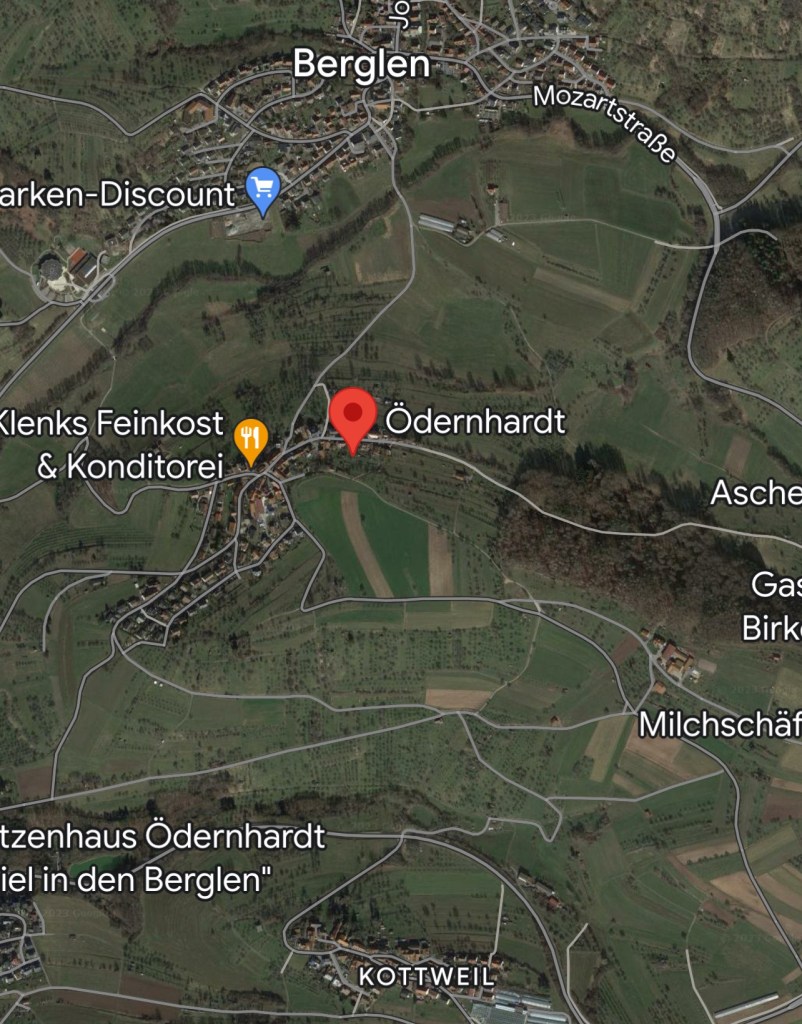
Therefore- I wanna go home. I would like to return to the farmland that my family was forced to flee from to avoid being persecuted as German Citizens even though they were not of Jewish beliefs. I would like to see what prompted them to love Oregon. I would like to understand the gift of knowledge that is my natural ability to nurture and grow.
I would like to see what it feels like to breath the air, and feel the soil of ‘home’.

 🚢💋SEDONA SUNSETS💋🏴☠️